Email Writing in English A Practical Guide for Non-Native Speakers
Effective email writing is a vital skill for anyone communicating in English, especially for non-native speakers. Whether for academic purposes, professional settings, or everyday communication, writing clear and polite emails can open doors and build strong relationships. This guide offers practical advice to help non-native English speakers write emails that are easy to understand and well received.
Understanding the Basics of Email Writing
Emails have a specific structure that helps readers follow the message easily. Knowing this structure is the first step to writing good emails.
Key Parts of an Email
Subject Line: Summarises the email’s purpose in a few words. It should be clear and direct.
Greeting: Opens the email politely. Use “Dear” followed by the person’s name or “Hello” for less formal emails.
Body: The main message. Keep paragraphs short and focused on one idea each.
Closing: Ends the email politely. Common phrases include “Best regards,” “Sincerely,” or “Thank you.”
Signature: Your name and contact information.
Tips for Clear Writing
Use simple sentences.
Avoid slang and idioms that may confuse readers.
Check spelling and grammar carefully.
Be polite and respectful.
Writing Emails for Different Purposes
Emails vary depending on the situation. Here are examples for common types of emails non-native speakers might write.
Academic Emails
When writing to teachers, professors, or university staff:
Start with a formal greeting, such as “Dear Professor Smith.”
State your purpose clearly, for example, “I am writing to ask about the assignment deadline.”
Use polite language, like “Could you please…” or “I would appreciate if…”
End with a formal closing, such as “Sincerely” or “Best regards.”
Professional Emails
For work-related communication:
Use a clear subject line, e.g., “Meeting Request for Project Update.”
Keep the tone professional but friendly.
Be concise and to the point.
Include all necessary details, such as dates, times, and locations.
Use polite requests instead of commands.
General Emails
For everyday communication:
Use a friendly greeting like “Hello” or “Hi.”
Keep the message simple and clear.
Use informal closings like “Best” or “Thanks.”
Common Mistakes to Avoid
Non-native speakers often make similar errors in email writing. Avoid these to improve your emails.
Too long or complicated sentences: Keep sentences short.
Missing subject line: Always include a clear subject.
Overly informal language: Match the tone to the situation.
Not proofreading: Always check your email before sending.
Ignoring cultural differences: Be aware of polite expressions in English.
Tools to Improve Email Writing
Using the right tools can help non-native speakers write better emails. Two useful services are PolyglotWorks and Grammarly.
PolyglotWorks Language Academy
PolyglotWorks offers personalised language training focused on practical skills like email writing. Their courses help learners improve grammar, vocabulary, and communication style. They also provide exam preparation for IELTS, TOEFL, and other tests, which can boost confidence in writing professional emails.
Grammarly Writing Assistant
Grammarly is an online tool that checks grammar, spelling, and style in real time. It suggests improvements and explains errors, making it easier to learn from mistakes. Using Grammarly while writing emails can help non-native speakers avoid common errors and write more clearly.
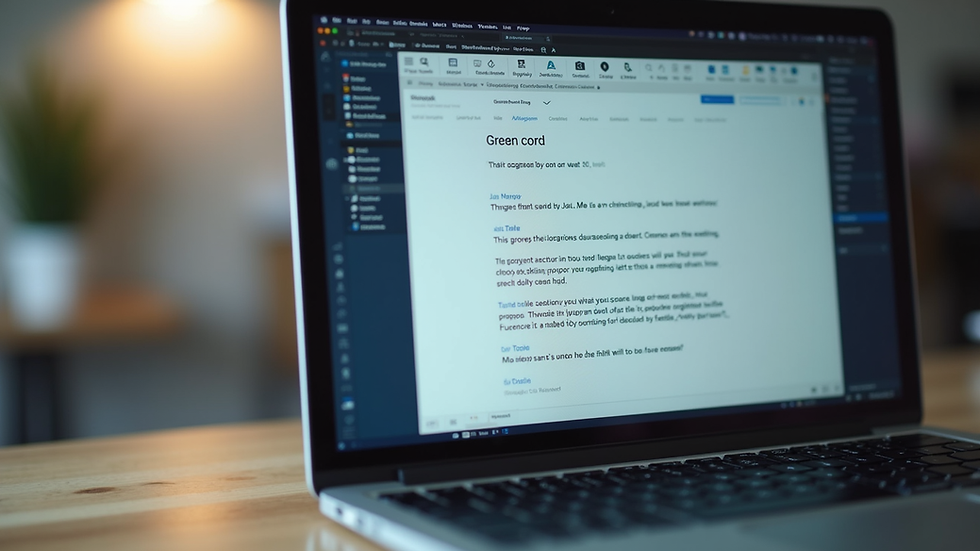
An email draft on a laptop screen with grammar suggestions helps improve writing accuracy.
Practical Steps to Write an Effective Email
Follow these steps to write emails that are clear and polite.
Plan your message: Think about the purpose and what you want to say.
Write a clear subject line: Summarise the email’s main point.
Start with a polite greeting: Use the correct formality.
Write the body in short paragraphs: Focus on one idea per paragraph.
Use polite language: Include “please,” “thank you,” and other courteous phrases.
Close politely: End with a suitable closing phrase.
Proofread your email: Check for errors and clarity.
Examples of Good Email Phrases
Here are some useful phrases to include in different parts of your email.
Greetings
Dear Mr/Ms [Last Name]
Hello [First Name]
Hi [Name]
Opening Lines
I hope this email finds you well.
I am writing to ask about…
Thank you for your email regarding…
Making Requests
Could you please send me…
I would appreciate if you could…
Would it be possible to…
Closing Lines
Thank you for your help.
I look forward to your reply.
Please let me know if you need any more information.
Sign-offs
Best regards
Sincerely
Kind regards
How PolyglotWorks Supports Email Writing Skills
PolyglotWorks provides tailored courses that focus on real-life communication skills, including email writing. Their approach includes:
Personalised feedback on writing assignments.
Practice with common email scenarios.
Integration of exam preparation to improve formal writing.
Continuous progress tracking to measure improvement.
This method helps learners build confidence and competence in writing emails for academic, professional, and personal use.

Writing notes by hand can help organise thoughts before composing an email.
Tips for Non-Native Speakers to Gain Confidence
Writing emails in a second language can be challenging. Here are some tips to build confidence:
Practice regularly by writing emails to friends or tutors.
Read example emails to learn common phrases.
Use language tools like PolyglotWorks and Grammarly.
Ask for feedback from native speakers or teachers.
Keep a list of useful phrases for quick reference.
Final Thoughts on Email Writing
Clear and polite email writing is a skill that improves with practice and the right support. Non-native speakers can benefit greatly from personalised language training and helpful tools. Using services like PolyglotWorks and Grammarly can make the process easier and more effective.
Start by focusing on simple, clear messages. Plan your emails, use polite language, and check your work carefully. Over time, writing emails in English will become natural and confident, opening new opportunities in education, work, and daily life.


Comments